Monday, May 8, 2023

Educator Spotlight: Miranda Elkins

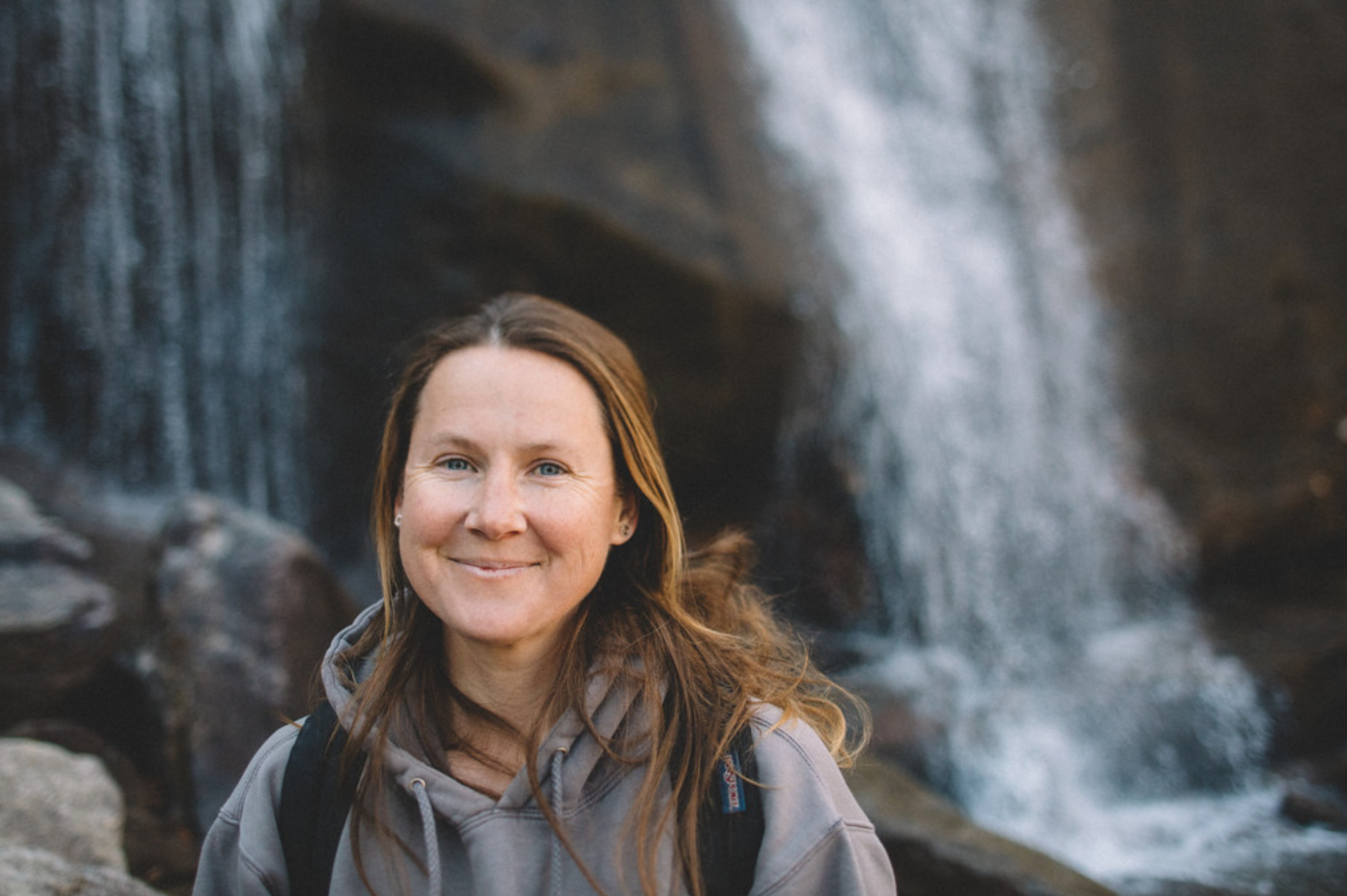
Miranda Elkins left with partners for her three-acre pollinator garden

Miranda Elkins, the Lincoln County Assistant Ranger with the NC Forest Service recently completed her NC Environmental Education Certification. Miranda works with private landowners to help manage their forests, and she visits schools for special events, supports fire prevention programs and wildfire response in the county and across the state. 

Miranda says her favorite part of earning her certification was the hands-on workshops because participants were able to take parr in the activities to make sure they would translate to the setting she would be working in. 

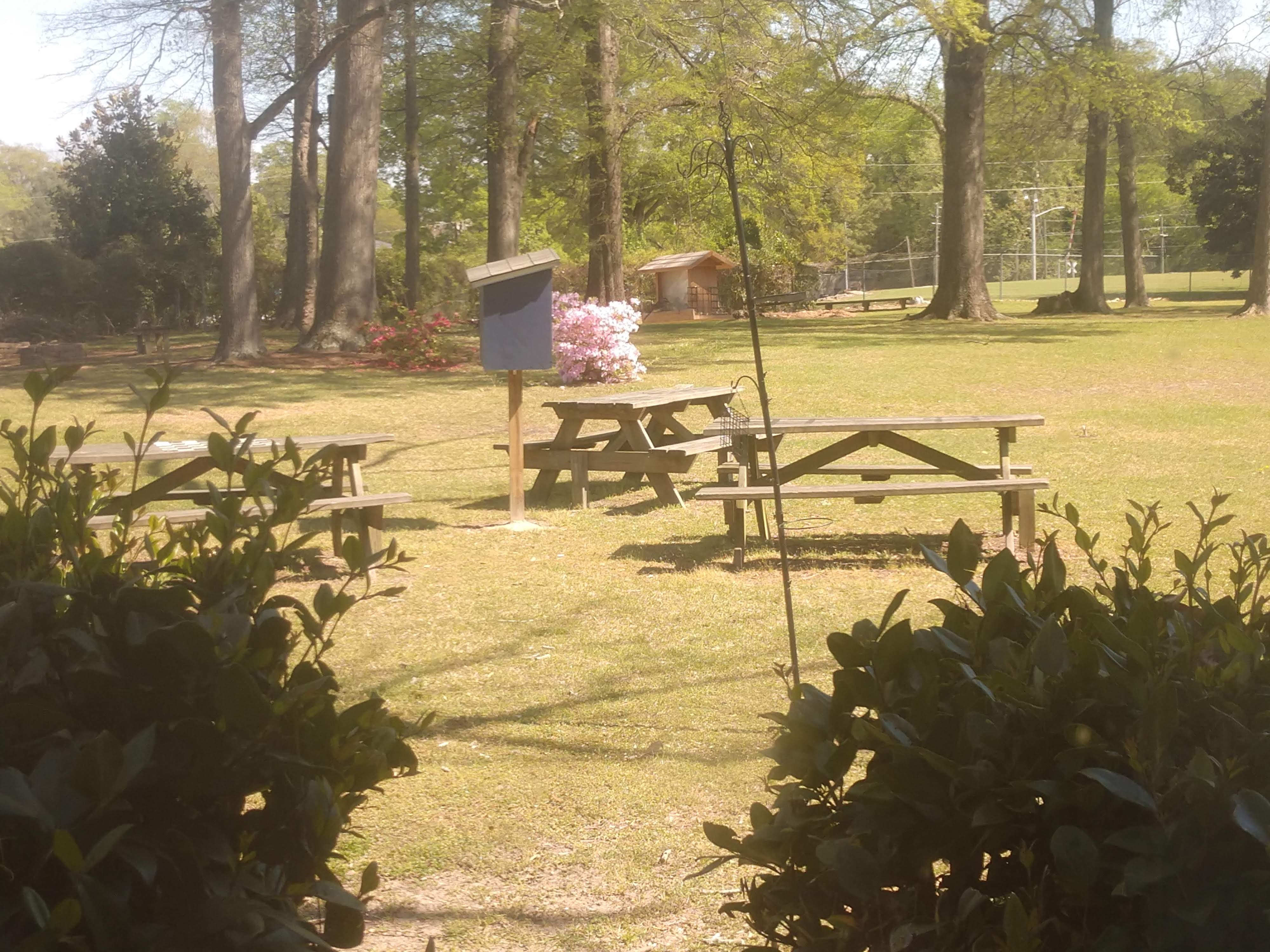
For her community partnership project, Miranda worked with a Beekeepers Association to establish a three-acre pollinator garden to help educate the public about the importance of our pollinators and why it is it is helpful to provide needed habitat for local pollinators. 

Miranda says the program helped change her approach to teaching. “I learned how to let my audience lead the program and adapt it to their needs. I also learned new ways to get the audience more involved in the learning process and let them build their own conclusions and decisions.”

She also says the program changed the way she thinks about environmental issues. “I now realize that a singular issue can be viewed or interpreted so differently by different groups of people based on where they are from, their own personal experiences and feelings.”


Educator Spotlight: Kim Lehnes

Kim Lehnes, a high school teacher recently completed her NC Environmental Education Certification. Kim teaches biology and AP biology and credits the certification program with helping her start an “encore” or post-retirement career. “I’m that teacher who is always muddy and carrying a net and a bucket. I’m the one in the creek with her classes, trying new ways to engage my students and to learn to respect nature and all its gifts.” Kim loves to explore outdoors, travel, read historical fiction and she is a Disney fanatic. She also enjoys cooking, baking and experimenting with recipes.

Kim says the site visits were one of her favorite parts of the certification program. “I enjoyed observing the diversity our state has to offer. Networking and meeting people of differing career paths that care about the natural world was a positive experience for me.”

Kim says the outdoor workshops really stood out to her, especially the ones that focused on water. She particularly enjoyed coastal events such as CATCH (Caring for Aquatic through Conservation Habits) a program of the NC Wildlife Resources Commission, Sound Exploration and Sea Turtle Exploration offered by the NC Aquarium at Fort Fisher. “All the Project WILD activities (a program of the NC Wildlife Resources Commission) were awesome, and I incorporated many of the activities into my classroom activities.”

When asked if the program changed her approach to teaching, Kim says it gave her the opportunity to expand her knowledge and to share her excitement and knowledge with her students and her community. “It allowed me to move my instruction outdoors. My students engaged in real time data collection and interpretation.”

Kim says completing the program helped her realize the importance of sharing her enthusiasm and knowledge about the environment with her community. “The program really did not change my thinking on environmental issues but gave me tools to share environmental issues with others. I appreciate the resources and contacts I made with the supportive staff of the environmental education program, the staff at NCMNS (NC Museum of Natural Sciences) the available online resources, and NC Wildlife Resources Commission and their staff. It is a true gift to have all these resources available to the public. I learned that the opportunities to share are always available even in simple activities and stories.”

Wednesday, April 26, 2023

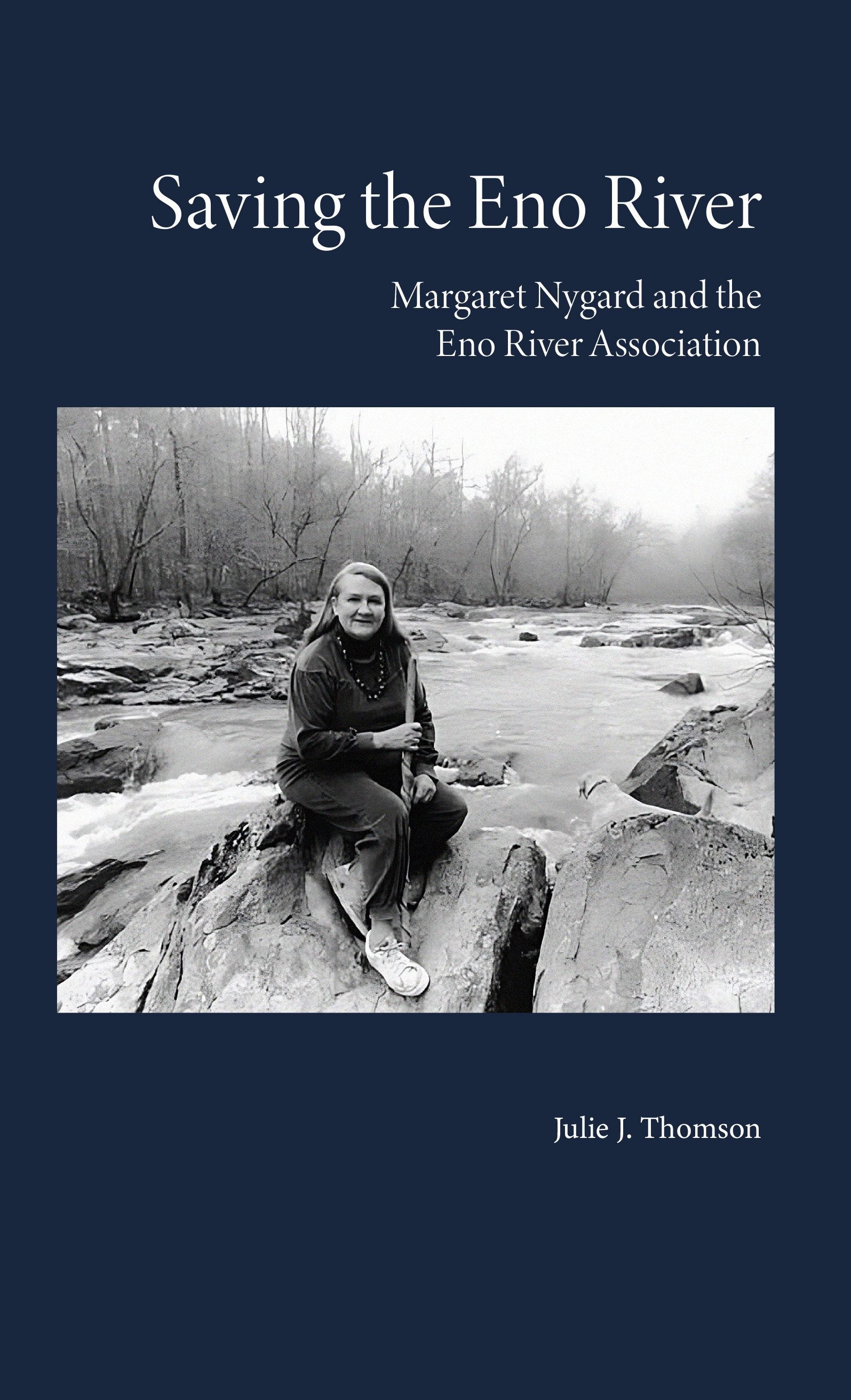
"Saving the Eno River” Author Hopes to Encourage Current and Future Conservationists

 Thomson credits environmental education experiences
as inspiration to tell Margaret Nygard's Story

Julie Thomson, a North Carolina Certified Environmental Educator, naturalist and trail guide, has released her new book about the history of the Eno River and how Margaret Nygard and other community members became part of the legacy of Eno River State Park. “Saving the Eno River” highlights the legacy of Margaret Nygard and the work of others that formed the association to create what is now a treasured haven for anglers, birdwatchers, paddlers, photographers, and hikers along the Mountains-to-Sea State Trail.

Julie works as a field instructor for Muddy Sneakers, an environmental education program that works with 5th grade public school students to instill in students a lifelong love of nature and inquiry while enhancing academic achievement and meeting NC’s science standards. On weekends and in the summer, she works as a naturalist and trail guide at Chimney Rock State Park where she leads hikes and programs for school groups and Girl Scouts and teaches. She enjoys studying and sharing the natural and cultural history of North Carolina and currently resides in the Black Mountain area of the state.

Julie earned her NC Environmental Education Certification in 2022 and for her community partnership project, which is required for certification, she decided to write the book. “By writing the story of Saving the Eno as a children's book, I hope to preserve the history of how the Eno was saved and share it with the broader community. I’ve always been fascinated by the story of how the Eno River was preserved and I was always surprised that it wasn’t available as a book to read. I first learned about the Eno River Association through the annual calendar, working one summer at Schoolhouse of Wonder, and then also through the Association’s Winter and Spring hikes. I met many people who participated in the association and the saving of the Eno. They knew the history and happily shared it on hikes and answered questions, but I always wanted to know more. Ranger Lawson Osteen at the Eno River State Park researched and presents a program titled “The Fight for the Eno” which also added to my knowledge of this history. When I worked as a Naturalist at the Eno River State Park, he let me present my own version of his program too.

Julie says she was inspired by all the efforts of the community to share the natural and cultural history of the river and to engage artists in the effort. “The saving of the Eno is an inspiring example of what can be achieved when community members work together and make their voices heard. And this work continues today. I hope that children who love the Eno will learn from this story, and in turn protect, preserve, and conserve the Eno in the future.”

Through donations to Julie’s “Give a Book, Get a Book Fundraiser,” she was able to give copies of her book to 40 elementary schools in Durham and Hillsborough, and a copy to each of the main branches of the public libraries in Durham, Chapel Hill, and Hillsborough, as well as copies to the Eno River State Park and West Point on the Eno.

You can visit the Eno River Association’s website to purchase your own copy. A paperback edition of this book will also be available at the Festival for the Eno, the association’s largest annual outreach event is the Festival for the Eno which draws tens of thousands of people to the shaded banks of the Eno River each Independence Day weekend since 1980 with an eclectic and immersive offering of performances, demonstrations, activities, and workshops celebrating the people and places of the Eno River on July 1 and 4, 2023.

You can listen to a recent Lunchtime Discovery Series talk with Julie about the book which includes a reading of the book and a chat with Kim Livingston, director of conservation and stewardship with the Eno River Association about new land that is being added to Eno River State Park.

Tuesday, April 25, 2023

Educator Spotlight: Jessica Black

Jessica Black, an educator from Guilford County recently completed her NC Environmental Education Certification. Jessica credits the program with helping her start a new position as an environmental education instructor. “The certification program not only gave me the knowledge that I needed for the environmental educator instructor position that I will be soon taking, but also just made me aware that such a career existed, as well as helping open doors to it for me.”

Jessica develops and teaches environmental education programs and activities for the public. She uses public parks and similar locations to provide engaging activities that encourage people to become “backyard naturalists” and stewards of the environment.” For her community partnership project, Jessica established a nonprofit organization that utilized public parks to conduct environmental education programs for free for the public. In her personal time, she likes spending time with her children and taking road trip adventures. She is also a 4-H sport shooting instructor and enjoys church and line dancing.

When asked what certification experience stands out for her, Jessica said it was learning about the program. “I will never forget how my environmental educator journey began. I accidentally took the cornerstone Methods of Teaching Environmental Education course just to earn educator CEUs. I learned from the other participants what environmental education was all about and from there I was on board. I am grateful I stumbled across that course and for all the experiences that followed; even the time we were doing a Project Learning Tree beat-a- branch activity and the group almost hit a tree branch close to me that had a sleeping red bat hanging from it!”

Jessica says the program changed her approach to teaching. “The number of techniques, methods, approaches, and other teaching tools garnered through these experiences is so extensive that I will be able to constantly pull from to modify and improve my approach to teaching others.”

Jessica says the program encouraged her to visit new places and experience new things that increased her knowledge of environmental issues. “The program helped me to become aware of the many environmental issues that are taking place that I had not heard of before. I also became aware of issues close to me and realized that I can have a positive impact - we all can.”

Friday, April 21, 2023

Educator Spotlight: Kati McArdle


Kati McArdle recently completed her NC Environmental Education Certification. Kati is a grants and donor communications manager for an environmental advocacy nonprofit. She also works as a conservation educator at Piedmont Wildlife Center, and volunteers with a several local organizations, including Chapel Hill Public Library.

When asked about her favorite part of the program, Kati says she really enjoyed the hands-on instructional workshops, like Project WET, Leopold Education Project, Project Learning Tree, It's Our Water, Flying Wild, and one of her favorites, “Don't Waste It” which was held at the Walnut Creek Wetland Center in Raleigh. “The workshops were an excellent way to observe experienced educators putting on great programs and participate in them myself. Trying out the different approaches gave me more confidence teaching in the field to different audiences and using the techniques from the workshops. It also helped me to build a great library of resources to refer to--educator guides, websites, YouTube videos, and more.”

When asked about an experience that stood out for her, Kati says it was the self-guided classes that could be used for the required outdoor experiences credit that the team at the NC Museum of Natural Sciences put together. “These experiences were amazing. I ended up completing almost all the virtual classes that were offered such as Under a Rotten Log, Using Your Senses, Parts of a Flower, Trees to Meet You, Project Squirrel, and Creating a Nature Journal, and I have wonderful pages in my notebook where I completed the self-paced activities during the pandemic shutdown and following months. That was a scary and stressful time for most of us and having those courses available--not only to be able to continue making progress toward certification in an uncertain time, but also to have the chance to connect with nature in positive and inspiring ways--was such a wonderful resource.”

For her community partnership project, Kati partnered with the DEQ’s Division of Water Resources and worked with Lauren Daniel, the division’s Water Education Program Coordinator, to help re-launch the Water Writers Pen Pal Program for classrooms to participate in a letter writing pen pal exchange with other students across the state. “I ended up creating several letter-writing templates for middle school students that included state educational standards content, an educator guide, and a quick-start video. It was so much fun to see the project come together and officially launch in 2022 with so much interest and participation.”

Kati says the program changed her approach to teaching. “I have much more confidence, comfort, and resources when it comes to teaching and being able to work with groups at different age levels. Through the certification program, I was introduced to NC Department of Public Instruction’s standards, and began to see more of how this content could be incorporated alongside outdoor/experiential learning. I've also continued to gain awareness about accessibility in teaching and programs, and implementing more ways to help learners of all backgrounds and abilities enjoy the wonderful natural resources we have here in North Carolina. Piedmont Wildlife Center and Chapel Hill Public Library, to name a few, provided me with excellent opportunities to work with people of all ages, and especially with youth.”

Kati says the program helped her appreciate the ways in which every person has the capacity to share nature-based and environmental experiences. “This certification has helped me see ways to appreciate everyone's level of experience that they bring, including my own, and to embrace the fact that while we don't have to accomplish everything in one visit or program, we can still invite participants to make a lasting impact on their own lives and on others."

Thursday, March 23, 2023

Educator Spotlight: Michelle Fehlman

Michelle Fehlman recently completed the NC Environmental Education Certification. Michelle homeschooled her children until high school and is a small business owner of a soap company that specializes in making goat milk soaps and lotions. Michelle raises goats on a small farm in Union County. When not volunteering or working, Michelle likes to run, bike and has completed several competitive races.

Michelle hopes the Environmental Education Certification will help her find a job where she can impact young people's attitudes about the environment, whether through an agency like the 4-H program, or as an independent teacher hired to present environmental education to groups of young people.

When asked about her favorite part of the program, Michelle said it was learning more about wildlife, forestry and environmental education. “I liked the few week-long activities that I attended, such as Investigating Your Environment, Envirothon, and the Haw River Learning Celebration, because I was able to immerse myself in these topics.”

For her community partnership project, Michelle started a 4-H club called the Forestry, Wildlife, and Environmental Education club. “I have been conducting a related activity after each monthly meeting of the club. I selected these from the myriad of activity guides that I acquired during my certification, and from individual club member's input about topics. I have been able to reach and teach several Union County youth about wildlife and environmental education. If I am able to kindle some lifelong desires to make a difference with regards to the environment in these youth, I will have accomplished what I wanted to.”

Michelle says participating in the certification program gave her a greater understanding of the different ways in which children learn. “It gave me different tools to use depending on the age and the attention level of the youth involved. As I continue to reach more children, I now have a huge toolbox to pull from to give me ideas and different methods of teaching.”

She says the program changed the way she looks at environmental issues. “I am more aware of what I can do to lessen my individual impact on the environment. All ages need to be educated, but it is essential that we start raising our children to be prudent users of our natural resources. I learned so much about our environment and natural world and I also realized how much we take it for granted as always being there.”

Monday, March 20, 2023

Educator Spotlight: Andrew Page


Andrew Page, a nonformal educator from Mecklenburg County recently completed his NC Environmental Education Certification. Andrew works with the NC Wildlife Federation as a contractor for their Great Outdoors University program. They provide field trips for children in grades K-12 to parks. He works primarily with the Boys and Girls Clubs taking children on nature hikes, canoeing, fishing, bike riding and on other outdoor activities. 

Andrew says he was introduced to Environmental Education Certification through the Master Naturalist Program with Mecklenburg Park and Recreation. The experience in the program that stands out for him is taking the NC Forest Service’s workshop, “Investigating Your Environment.” Andrew said, “This week- long workshop was a great opportunity in the mountains to learn many different teaching methods and to spend time with like-minded individuals.” 

For his community partnership project which is required for certification, Andrew organized a tree planting event. “With the help of TreesCharlotte, the neighborhood planted 37 new trees throughout the common areas in our townhome community.” 

Andrew says the program changed his approach to teaching. “One of the many changes includes how to engage those who choose not to participate. Most educators I met shared that by putting those who won’t participate "in charge" of leading a group, or some other leadership role, it gives them purpose. This method has proved to be true in all cases, including field trip groups with students and outings with my nephew.”

When asked if the program changed the way he thinks about environmental issues, Andrew said that it did change his perspective. “I previously thought of paper products as "tree killers." While they do come from trees, the Sustainable Forest workshop opened my eyes to how trees are regrown when doing so responsibly.”


Tuesday, March 14, 2023

NCDEQ Hosts Wake County Middle School Students for 13th Annual Statewide Students@Work℠ Program.

The Department of Environmental Quality's Office of Environmental Education and Public Affairs recently hosted the 7th grade from Moore Square Magnet Middle School for the 2023 Students@Work℠ Month. The Students@Work℠ program serves a critical role in our state's work-based learning efforts by helping students explore potential careers and experience positive workplace environments. 

The 2023 Students@Work℠ initiative is connecting 270 businesses, organizations and agencies with approximately 25,500 students statewide. Throughout the month, students interact directly with representatives from various jobs and careers, take part in worksite visits or engage in learning activities to explore a variety of career opportunities.

“DEQ is honored to continue our partnership with Students@Work℠ and share the diversity of careers in our department. We appreciate the enthusiasm of the students and teachers and enjoy providing them with activities and resources to support their studies in science and the environment,” notes DEQ Secretary Elizabeth S. Biser. 

During their visit on March 9th and 10th, students toured the DEQ building and learned about the sustainable design features of the downtown Raleigh Green Square complex. They also got an introduction to some of the environmental science used by employees of the department in activities led by Rebecca Coppa, State Sedimentation and Education Engineer with the DEQ Division of Energy, Land and Mineral Resources, Janina Millis, Community Engagement, Education and Outreach Specialist from the DEQ Division of Air Quality and with assistance from colleagues, Megan Davis, Coordinator of Teacher Education and Taylor Prichard, Teacher Education Specialist with the Museum of Natural Sciences which shares the Green Square complex with the department. 

The students ended their day by participating in a career panel with DEQ employees, including Dr. Frannie Nilsen, an environmental toxicologist with the Secretary’s Office; Elliot Tardif, a meteorologist with the Division of Air Quality; Shelby White, a biologist with the Division of Marine Fisheries and Alyssa Wright, the Assistant General Counsel for the department.

Students asked the panel about their careers, their career paths, and challenges for their profession. The DEQ employees gave helpful advice for how to students can connect their passions and interests with potential careers and how students can begin to develop the qualifications necessary for working in STEM fields through internships, job shadowing and other opportunities.

The Students@Work℠ program is a joint initiative between the North Carolina Business Committee for Education (NCBCE) and the North Carolina Department of Public Instruction. 

For more information about the Department's participation in Students@Work℠ Month, contact the Office of Environmental Education and Public Affairs at 919-707-8125. For more information about NCBCE, visit ncbce.org.

Thursday, January 19, 2023

Educator Spotlight: Marta Toran

Marta Toran

Marta Toran, an instructor in the Department of Geological and Environmental Sciences at Appalachian State University has completed her NC Environmental Education Certification.

Marta teaches environmental science courses, oceanography labs and climate change seminars at ASU and serves as the K-12 Outreach and Education Coordinator for the department. In this role, she writes and manages grants for environmental education, trains undergraduate students in science communication, facilitates professional development with regional STEM educators and develops geoscience outreach programming for on-campus and off-campus events.

Marta says the certification program provided a new way to get her environmental science and geology students engaged in environmental education. “My favorite part about going on this environmental certification journey was getting my own undergraduate students involved in the program. I have enjoyed participating in workshops with them, like the Flying WILD taught by Wildlife Resources Commission educator Tanya Poole, where I got to watch them fight for sips of water while avoiding vicious competing birds, and seeing them teach little kids about endangered native species, water and rocks.”

When asked what experience in the program stood out for her, Marta said discovering some of the different nature centers and resources for environmental education around the state was a highlight of her certification experience. “The Kathleen Clay Edwards Family Branch Library, for example, is amazing and offers some great environmentally centered events. I visited the Piedmont Environmental Center right when they were feeding the snakes which was seriously awesome to watch and enjoyed the walk around their grounds. I got to see quite a few snakes and lizards in the wild basking in the sun when I visited Eno River State Park. I was also thankful for all the virtual opportunities offered, which have taken me on journeys from Alaska to learn about the Dogs of the Iditarod, to the largest wetlands in the world in Brazil.”

Eastern White Pine Sign Before Marta's Project
Eastern White Pine Sign After Marta's Project

For her community partnership project, Marta installed interpretive signs along the nature trail at Parkway Elementary School in Boone. As part of the project, six bird boxes were also installed at the school. “I raised the funds for the production of the signs in brushed aluminum and for the materials to install then. I collaborated with the Garden Coordinator, School Principal and a 4th-grade teacher at the school on this project and involved about 30 undergraduate students in researching plant species for the signs and helping to clean up the overgrown ecological education area. To wrap up the project, I created a bilingual webpage with information about the nature trail featuring nature area etiquette and the different species of trees along the trail. The signage enhances the educational value of the nature trail and ecological area at the school which is open year-round to the public and will hopefully stir up some curiosity among the community for native flora.” 

Parkway Elementary School's Nature Trail Entrance

When asked if the program changed the way she thinks about environmental issues Marta says it emphasized the importance of a sense of place when teaching and learning about environmental issues. “It's very important to learn about endangered species in exotic corners of the world and climate-related problems facing other countries, but when there is a personal connection to a place, learners become much more deeply interested in the issues and committed to further their knowledge of the environment and acting to protect it. Starting at home also provides a solid foundation for local to global connections.”

Friday, December 9, 2022

Educator Spotlight: Shannon Lally


Shannon Lally recently completed her NC Environmental Education Certification. Shannon is a core instructor for Muddy Sneakers, a non-profit that provides an outdoor science education program for fifth graders attending public schools throughout North Carolina. 

Shannon says she loved the variety of experiences that she was able to participate in as part of her certification. She particularly found the project challenging but rewarding. For her community partnership project which is required for certification, Shannon designed a curriculum for Rise and Shine Afterschool Program. 

Shannon had served as a garden teacher for the afterschool program while doing her AmeriCorps service. She later reconnected with the director and learned that the program had almost shut down during the pandemic and that their enrichment curriculum was in needed of a significant upgrade. “The year-round after-school program helps poor and racial minority children learn about the fundamental importance of education, about their community and culture, and about themselves.” Shannon noted that most of their STEM enrichment time focused on math and engineering. Shannon revised the curriculum to include environmental education and connections to nature. “I added to and revised the lessons plans after facilitating them for students and volunteers this Fall. Once finalized, they will become part of the program's regular enrichment curriculum.” She hopes the new curriculum will educate students on local western North Carolina ecosystems and their role within them, hopefully, creating a sense of belonging and stewardship.

Shannon also noted the valuable skills and resources she gained. “Participating in the program provided me with many of the tools I utilize in my work. It showed me ways to engage students in new and accessible ways.

Shannon also says that the program changed the way she thinks about environmental issues. “I feel better equipped to view environmental issues from an objective place and empowered to teach others to think critically about them as well.”


Monday, October 17, 2022

Educator Spotlight: Emily Davidson

Emily Davidson, a former teacher and IT professional who volunteers as an environmental educator, recently completed her NC Environmental Education Certification.

Emily was a classroom teacher before changing careers last year to work in IT. She continues to volunteer as an environmental educator.  

Emily says her favorite part of the certification program was the instructional workshops and being able to take advantage of all the environmental education facilities in North Carolina.

When asked about an experience in the program that stood out for her, Emily says it was the hands-on experiences. “Anything that was hands-on and in the field that I could bring back to my students. I took them on a field trip at Holmes Educational State Forest and they had an amazing time.”

For her community partnership project, Emily led a tree-planting event with her students and the organization, TreePlenish at her school. The students were part of a high school elective class at The Franklin School of Innovation called Eco-Warriors, which focused on climate change, particularly its effects on Appalachian ecology and communities. Community members also purchased and planted saplings.

Emily says the tree planting event was the culmination of several units she structured around the Project Learning Tree Southeastern Forests and Climate Change curriculum, and an educational field trip she led to Holmes State Educational Forest, Pisgah National Forest, and the Blue Ridge Parkway where students could experience and investigate managed forests in their area. “This was the capstone to our year-long class on climate change and forestry in North Carolina. This was an exciting and encouraging project for my students and it gave them a sense that they could do something tangible about climate change and urbanization in our community.”

Emily says the program changed her approach to teaching. “I learned to be much more patient with those who are uncomfortable or unfamiliar with the outdoors, and I learned a lot about other people’s perspectives and concerns about the environment.”

Friday, October 7, 2022

Educator Spotlight: Brooke Hullings

Brooke Hullings recently completed her NC Environmental Education Certification. Brooke, a former educator at the NC Zoo, joined the National Guard during the pandemic. During the time away from her full-time position, she has enjoyed spending time with the children in her life and completing her certification project. Brooke enjoys any opportunity to educate children and adults and enjoys hiking, geocaching, camping, and biking. “My goal is to instill a love of nature in the children and adults around me by sparking their curiosity.”

Brooke’s favorite part of earning her certification was being able to visit as many state parks as possible. “I used state parks for my site visits and luckily was able to complete the State Park Passport Book. It was a fun adventure exploring so much of the state.”

She says the experience that stood out for her was an activity during one of the workshops where a statement was presented, and you had to pick a stance. “I strongly agreed with one statement but then, I talked with someone who strongly disagreed, and they presented points that I had not considered. I left the conversation with more open eyes and realized it was not so cut and dry.” She said these discussions are important to have on a one-on-one basis.


For her community partnership project, Brooke created a pollinator station wthin a townhouse community. “The garden is filled with native flowers and positioned so its viewable from the sidewalk as well as the community. A large oak holds the new bench swing that we installed offering an invitation for the community to spend some time outside.” Brooke partnered with The Oaks of Guildford, the townhouse community, the City of Greensboro White Street Landfill, and Freecycle to make the project a reality. “I wanted to plant a pollinator garden with mostly natives, to invite nature back into a barren urban environment. The community I chose to implement this in is a manicured community willing to change and become more nature friendly. The location of the site is near enough to the road and sidewalk that I hope to inspire others to do something similar.”

Brooke says the program changed the way she views environmental issues. “I see there are many things causing environmental issues, more than I knew before, but I have also seen how everyone can do a little something to help in their own way. Most people want to help in some way, they just don't know how, or they want to do something bigger but don't have the time. Linking people with the desire for change and those with the time or resources to spare is a key part of making change.”

Wednesday, September 28, 2022

Educator Spotlight: Jennifer Browndorf

Jennifer Browndorf, a retired public-school teacher, recently completed her NC Environmental Education Certification. Jennifer credits the certification with helping her start an “encore” or post-retirement career with NC State Parks as the School Education Assistant. 

In this role, Jennifer helps teachers, schools, students, and other youth connect with rangers and parks to learn more about the natural resources that make NC State Parks special. “I develop and facilitate professional education to support classroom teachers' efforts to teach using the outdoors. I also conduct park field trip programming for school and youth groups.” In her personal time, Jennifer says one of her hobbies is volunteering with the Friends of the Mountains to Sea Trail. “I am the trailhead litter coordinator for Segment 10. I also am a backpacker and bikepacker. I enjoy bird watching, day hiking, and nature journaling.”

Jennifer says her favorite part of earning her certification was the workshops and site visits. “I loved getting to learn such a wide variety of topics in diverse locations. Exploring new topics and places gives me such inspiration that when I returned, I was ready to try out something that I had learned or to share info about something that I had seen.”

When asked about the part of the program that stood out for her, she says it was the teaching experiences. “I was trained as a formal educator, however, the EE programs or lessons that I completed for my certification were in a non-formal setting. I was really applying what I had learned about teaching in the outdoors, creating engaging hands-on lessons, and making the content relevant to inspire the visitor. The teaching time was a great way to practice and learn how to transition from traditional to non-traditional. The goal isn't to master content but to inspire stewardship action.”


For her community partnership project, Jennifer worked with volunteers from Friends of the Mountains to Sea, Keep Durham Beautiful, and Big Sweep of Wake County to host litter clean-up events at trailheads, along shorelines, and creeks at both Falls Lake and Eno River State Parks. “I planned and executed several large cleanup events resulting to this date in about 8,000 pounds of litter being removed from our watershed. I have maintained these relationships and have more cleanups planned throughout the coming months. The project is not over - it is ongoing.” Jennifer wants to continue to increase people’s awareness for their impact on their watershed and how they can reduce it.  

Jennifer says participating in the certification program helped her become more comfortable teaching outdoors. “I am more confident about how to manage groups in an outdoor/field setting. In addition, I have increased my knowledge about NC natural resources, wildlife resources, and the agencies that protect and serve our public spaces. I learned that teaching a person about different natural resources is great, but if you can teach them why it is special, they will be more inspired to protect it. People need to experience the environment using all their senses to help them move stewardship from awareness to action.”

She also says the program changed some of her thoughts about environmental issues. “I am grateful to have had the opportunity to have organic conversations with students and visitors. I am more open to learning about the issue from their point of view. The door to dialogue about environmental impacts is more open when people have had a positive experience with the environment. People are more willing to share thoughts and ideas after they have learned why it is special.


Friday, September 23, 2022

Educator Spotlight: Katy Menne

Katy Menne recently completed her Environmental Education Certification. Katy, a Curator of Education with the NC Maritime Museum at Southport recently took a position as the Education Director at the Columbia River Maritime Museum in Astoria, Oregon. 

Katy says her supervisor at the NC Maritime Museum encouraged her to pursue her environmental education certification. “When I started at the NC Maritime Museum at Southport, my supervisor was passionate about folding maritime culture and environment together as they help tell each other’s stories. That passion has rubbed off on me.”

The certification program helped Katy grow her comfort in nature. “Starting out I didn't wonder about the natural world around me - it was not something I grew up with, so getting to learn about it in my adult life has been wonderful.”

For her community partnership project, Katy worked with four organizations: Potters Seafood, NCDEQ’s Marine Patrol, Cape Fear River Watch, and the City of Southport to create a wayside educational sign on the Southport City Pier to help educate residents and visitors about maritime culture and the maritime environment. The sign includes a map highlighting the Cape Fear River, Intracoastal waterway and Atlantic Ocean in addition to information on how to measure a fish. A QR Code links to more information.  

Katy says the program also changed her approach to teaching. “I deliberately look at the natural world when discussing maritime topics. Plus, I have found I have more compassion and I'm more cognizant of the world around me than I ever have been before.”

Tuesday, August 23, 2022

Educator Spotlight: Andi Webb


Andi Webb, a teacher, and instructional coach at Forest Hills Global Elementary School in New Hanover County has earned her NC Environmental Education Certification. 

Andi says she is passionate about international education and sustainability. Her favorite part of earning her Environmental Education Certification was the in- person workshops at the NC Aquarium at Fort Fisher. “I always felt very welcomed, and they were fun opportunities with activities that would easily translate into working with children.”

Andi says the sea turtle workshop at the NC Aquarium at Fort Fisher was an experience that really stood out for her. She also partnered with the aquarium for her community partnership program which is required for certification. “I worked with them to review their online modules they created in response to the pandemic. They wanted feedback and suggestions. The modules were already very good, but I believe having a practicing educator's perspective helped them solidify the modules and make a few updates that may be beneficial to other educators.”

When asked how the program changed her approach to teaching, Webb says it strengthened her approach. “I already knew how valuable it is to get children outside, but this program truly helped reinforce it. It also reminded me how much I enjoy being outside.”

Andi says she can see multiple perspectives when she thinks about environmental issues. “We can be quick to condemn people, but we may not always understand the rationale for the actions of others. However, we need to try and work together to improve sustainability in North Carolina, around our country, and throughout the world. Sometimes this means inconveniencing ourselves and advocating that businesses we work with improve their sustainability practices.”

Andi is a National Board-Certified Teacher who has a Master of Education degree with a K-8 science focus from the University of North Carolina at Chapel Hill and a Doctor of Education in educational leadership from East Carolina University. She has received numerous awards including the 2012 North Carolina Elementary Social Studies Teacher of the Year, a Career Award for Science and Mathematics Teachers through Burroughs Welcome Fund and the Presidential Award for Excellence in Mathematics and Science Teaching. She is a recipient of a Fulbright Distinguished Awards in Teaching Program in Singapore and of the Albert Einstein Distinguished Educator Fellowship Program. 

Monday, August 1, 2022

Rhonda Horne, A School Counselor at Lumberton High School in Robeson County Completes Her NC Environmental Education Certification

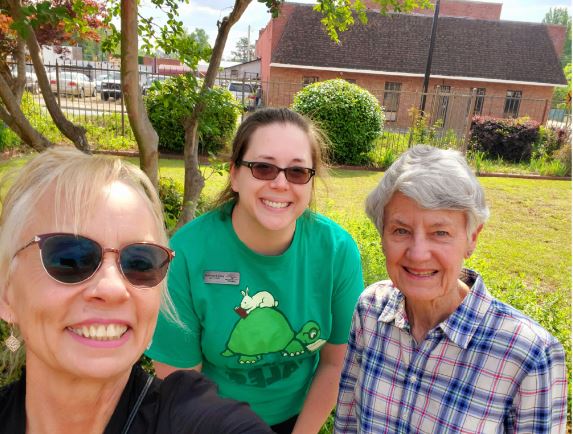
Rhonda Horne, Katie Fountain, Gail McLean

Rhonda Horne, a school counselor at Lumberton High School in Robeson County recently completed her North Carolina Environmental Education Certification. Rhonda’s school is one of two high schools in the county, and in addition to being the school's counselor, she serves as the school's registrar, 504 Coordinator, and alternative program liaison. In her personal time, she enjoys organic gardening, bird watching, camping, hiking, and traveling to state parks and national parks. “I enjoy anything that takes me close to nature whether it be the mountains, seashore, or prairie. I have visited all North Carolina State Parks and Recreation areas.” 

Rhonda says she enjoyed all parts of the program but especially liked the site visits. “As part of the NC State Park Passport Program, I visited all the state parks and recreation areas in three years. I started with the mountain region, then the coast and finally the piedmont. Each area was abundant with its own flora, fauna, wildlife, and regional history. During those visits I explored museums, battlegrounds, and botanical gardens in each area. I learned a lot about North Carolina, its history, people, and wildlife.” 

To complete her teaching requirement, Rhonda volunteered at the NC Aquarium on Roanoke Island. “Teaching at the NC Aquarium on Roanoke Island last summer was the experience of a lifetime. I spent a week volunteering and working in a variety of workstations and departments. Each day I had a different assignment working with a variety of animals. It was a big learning curve for me because I had to learn about the animals while teaching children and adult visitors. One day I would work with turtles and the next day, sharks.”


For her community partnership project, Rhonda partnered with the Public Library of Robeson County, The North Carolina Arboretum, and the North Carolina Museum of Natural Sciences Whiteville to install a pollinator garden and wildlife viewing station as part of The North Carolina Arboretum’s K-8 grade citizen science project, ecoEXPLORE. The main library in Lumberton shares a beautiful garden with the City of Lumberton and Rhonda worked with a volunteer master gardener Gail McLean, and the director of the library, Katie Fountain, to make the project a reality. “I wanted to do something new in my community that would be far-reaching and accessible to all youth in Robeson County. There are many children that rarely leave the county and now they can become a part of citizen science while discovering and learning about nature and wildlife.” 

Rhonda says after participating in the program, she has a more positive and optimistic outlook on the impact educators, programs, and agencies are having on the public’s awareness of environmental issues and concerns. “I think such programs as the ecoEXPLORE program and the North Carolina Environmental Education Certification are grassroots approaches that aim to educate and teach environmental awareness in a manner that leads an individual and groups to think for themselves and formulate their own opinions about how they as individuals can impact changes in small or large ways, working individually or within their own community.”


Monday, June 27, 2022

Educator Spotlight: Amy Schmitte


Amy Schmitte, the nature and events coordinator for the Foothills Equestrian Nature Center (FENCE) in Tryon recently completed the NC Environmental Education Certification Program. Amy provides environmental education programming for K-5 students in Polk County both at schools and on-site at FENCE. In addition to working with students, she also organizes community outreach evens and coordinates the summer camp programs. In her personal time, Amy enjoys bird watching, exploring local hiking trails, and visiting local restaurants and bakeries. 

Amy says she enjoyed all the parts of the certification program, but she especially appreciated the opportunity to travel around the state visiting Environmental Education Centers for workshops or site visits. “I was able to visit many neat facilities and places around the state that I may not have otherwise known about. The program provided great opportunities to meet like-minded individuals and to network with other people in your field.” 

When asked what experience stood out for her, Amy says it was the outdoor experiences and especially one program. “There were a lot of great experiences! I think the most memorable experiences are any of the hands-on/outdoor ones. I really enjoyed attending the Salamander Diversity and Biogeography Workshop at Highlands Biological Station. It was an educational workshop with an indoor presentation and an outdoor fieldwork portion. We were able to explore the Highlands Biological station (always a treat!) and then took a field trip to another location with a high Salamander population to work on locating and identifying salamander species.”

For her community partnership project, Amy created a sensory garden using native plants at FENCE to give new life and purpose to some unused garden beds. “I was able to partner with a local elementary school (Saluda Elementary) and their second-grade classes took a field trip to FENCE to learn about plants and animals, learn about how we can engage our senses to explore our environment, and assist in planting the gardens. The students gained a sense of ownership over the gardens, and many talked about their excitement in visiting the garden on future field trips to see how the garden has grown and changed. The garden also benefits the community both humans and animals. By incorporating many native plants into the garden, we have created a space for pollinators to visit, as well as a place for human visitors to explore, enjoy, and engage their senses.”

Amy says participating in the program gave her a wealth of knowledge on many environmental topics. 

“I feel more confident in my teaching and the program has given me the flexibility to adapt when things don't go exactly as planned. I think the biggest change would be that I am more aware of all the environmental education resources that are available to me when planning lessons and activities and how to access and use them.”

Amy says the program strengthened her views on the effectiveness of environmental education and outdoor experiences for children and adults. “I don't feel that the way I think about environmental issues has changed drastically since beginning the EE certification program but participating in the program has definitely solidified my thoughts on the importance of environmental education. I feel strongly that meaningful environmental education and meaningful outdoor experiences are key in instilling a love and care for the environment in individuals of all ages.”


Wednesday, June 8, 2022

Educator Spotlight: Jane Shrader

Jane Shrader, a retired teacher and volunteer librarian for a school in Pitt County, has completed the NC Environmental Education Certification. In addition to volunteering as a librarian, Jane also volunteers for the after-school program and occasionally substitute teaches for the school’s upper elementary math and science teacher. In her personal time, Jane enjoys the outdoors, hiking, and learning to bird.

Jane says her favorite part of earning her certification was meeting other educators. “I enjoyed all the classes and meeting folks of like mind. I love being outdoors and learning more about our environment.” She said the instructional workshops really stood out. “The hands-on, instructional (Criteria I) classes were always a joy and well taught - from Fort FisherAquarium to Becky Skiba (NC Wildlife Resources Commission) and birds.”

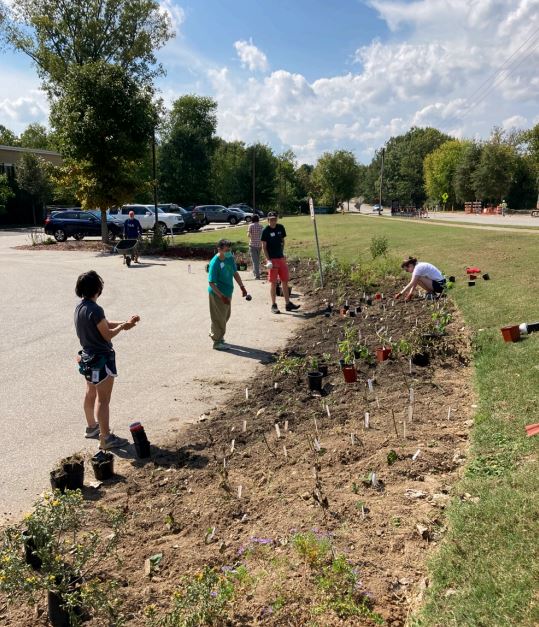
Jane’s community partnership project reflected her enjoyment of the outdoors and birding. She brought citizen science programs like theGreat Backyard Bird Count and Project FeederWatch to students at the Third Street Education Center in Greenville. Jane describes Third Street Education Center’s property as an “urban forest” with 20 or more mature hardwoods, magnolias, dogwoods, green space and fruit trees.

“During my occasional volunteer times at the school, I noticed that the students, in casual conversation, knew very little about birds, habitats, or thought much about animal needs, or the effect of seasons, etc. Their ability to enjoy and understand the ‘inner-city forest’ that existed on their school grounds never went beyond playing tag and racing around. In general, the students did not appear to have much “environmental experience” let alone understanding. Many had not been to large parks, or forests, were not particularly observant of the setting around them.”

Jane’s project made a lasting impact on the students. “The use of birding activities simply opened the door for greater conversations about nature, about the environment, about specific life needs by bringing it directly into their daily setting. I am told, that even during recess, students are "looking up" and examining the trees and fence rows, looking for the different types of birds.” Her project has also impacted the adults at the school and has led to building and grounds conversations between staff about the uniqueness of their location and about how to preserve and adequately maintain the unique school site. “The adults are beginning to express an understanding of the need to preserve this place and to maintain the health of the trees.”
Jane said the certification program changed her approach to teaching. “I'm a retired teacher and I've always used hands-on lessons. But this has inspired me to be more explicit in how I teach environmental ed. I particularly love the new PLT (Project Learning Tree) book - Explore YourEnvironment - and Project WET (Water Education for Teachers). The lessons were clear and easy to use. Also loved the adaptability to different age groups.”

“The environmental education programs have had many underlying social and emotional learning emphasis. I'm more concerned about the numbers of people who never get to experience or appreciate the importance of the outdoors to our mental health. Working with inner city kids, I've been caught up in the need for kids to get out, to touch, to see, to breathe. If they never have those opportunities, they may never recognize how important the natural world is to their well-being.”

Educator Spotlight: Shelley Moore


Shelley Moore, educator, and park attendant at Walnut Creek Wetland Park in Raleigh recently completed her NC Environmental Education Certification. Shelley has a master’s degree in natural resources, and an academic background in psychology and education. “I began working at Walnut Creek just under a year ago, and I am so appreciative of the opportunities I have been given there to engage with the community, teach programs, and complete my environmental education partnership project.” In her personal time, she enjoys camping and hiking with her family, trail running, reading, and gardening.

Shelley says that the certification program helped advance her career and enable her to explore the state and connect with other environmental educators. “I moved to North Carolina five years ago, and the certification program has given me a wide variety of opportunities to learn about, explore, and feel connected to our state’s incredible natural resources. I have had wonderful experiences visiting EE centers for workshops and site visits, that I might not have come across without this program. I have also enjoyed meeting other people that are part of the N.C. environmental education community.”

For her community partnership project, Shelley planned and installed a new pollinator garden at Walnut Creek Wetland Park. Partnering with a group of volunteers from the N.C. Museum of Natural Sciences, the garden was planted last fall and provides habitat for pollinators and adds beauty to an area in front of the Norman and Betty Camp Education Center. Going forward, Shelley says the garden will also be used to provide community education and volunteer opportunities. “Working with others to install the pollinator garden was a rewarding experience. This spring, it has been exciting to see the plants thriving and starting to bloom, and to find monarch caterpillars on the milkweed. I’ve also enjoyed talking with park visitors and nature program participants about the garden.”

Shelley says the program helped her become more confident teaching environmental education programs. “When planning programs, I refer to the resources and knowledge I acquired throughout the certification program. I also focus on making programs as interactive, engaging, and hands-on as possible.” 

After participating in the program, Shelley says she changed the way she views environmental issues. “I have a greater appreciation of the many ways in which environmental education can help people connect to the environment and gain an understanding of it, so that they will feel encouraged to take action to address environmental issues in their communities. I feel that this program provided me with an excellent background in environmental education and helped me to become confident in my abilities to provide quality educational programs. I enjoyed the in-person workshops that allowed me to engage with other educators but was also very appreciative of the virtual options that made it possible for me to participate in programs I wouldn’t have been able to attend in person. I look forward to being a part of more workshops in the future!”


Wednesday, June 1, 2022

Educator Spotlight: Maggie Miller

Maggie Miller, the lead interpretation and education ranger at Pilot Mountain State Park recently completed her NC Environmental Education Certification. Maggie has been working for NC State Parks for five years and in her role, she works with local students from public and private schools and with homeschool students. She also leads programs for Girl Scouts, Boy Scouts, and other organizations. 

Maggie says her favorite part of earning her certification was attending workshops, learning different teaching methods and her community partnership project. “I engaged with so many wonderful educators and learned new ways of teaching through those classes.”

For her community partnership project, Maggie worked with Charles H. Memorial Library in Pinnacle, NC. With the help of local high school students, she created a native pollinator garden in several of the library's open beds, provided 60 free native wildflower seed packets that included native plants such as common milkweed, purple coneflower, and black-eyed Susan and offered pollinator programs at the library. 

Maggie says participating in the program changed her approach to teaching. “When I started my NC EE Certification, I was new to North Carolina and new to being a NC State Park Ranger. I was a beginner with some experience from working at a state park in Florida. The program really showed me the basics through professional educators. Learning how to provide programs that engage the visitor through observation and place-based education.”

Maggie says the program also changed the way she views environmental issues. “By attending so many wonderful classes through this certification process, I was exposed to issues or topics I didn't know existed. I was already very environmentally aware, but this opened my eyes up to even more and provided me with tools to teach without overwhelming students.”